

For many women, scheduling a mammogram comes with questions. When should I start? What should I expect? Will it hurt? This Breast Cancer Awareness Month, we’re answering a few common questions to help you feel more informed and confident about taking the next step.
Why are mammograms important?
Mammograms can help detect breast cancer early, sometimes before there are noticeable signs or symptoms. Early detection can mean more treatment options and better outcomes.
When should I get a mammogram?
When you should begin screening and how often you need a mammogram can depend on your age, family history and individual risk factors. Talk with your healthcare provider about the screening schedule that’s right for you.
What should I expect?
During a mammogram, each breast is briefly compressed between two plates while images are taken. You may feel some pressure or temporary discomfort, but the compression only lasts a short time. Your mammography technologist will guide you through each step and can answer questions along the way.
What if I’m called back?
A callback does not automatically mean breast cancer. Sometimes additional images or another test are needed to get a closer look at an area of the breast. The important thing is to follow through with any recommended next steps.
Make Time for Your Mammogram
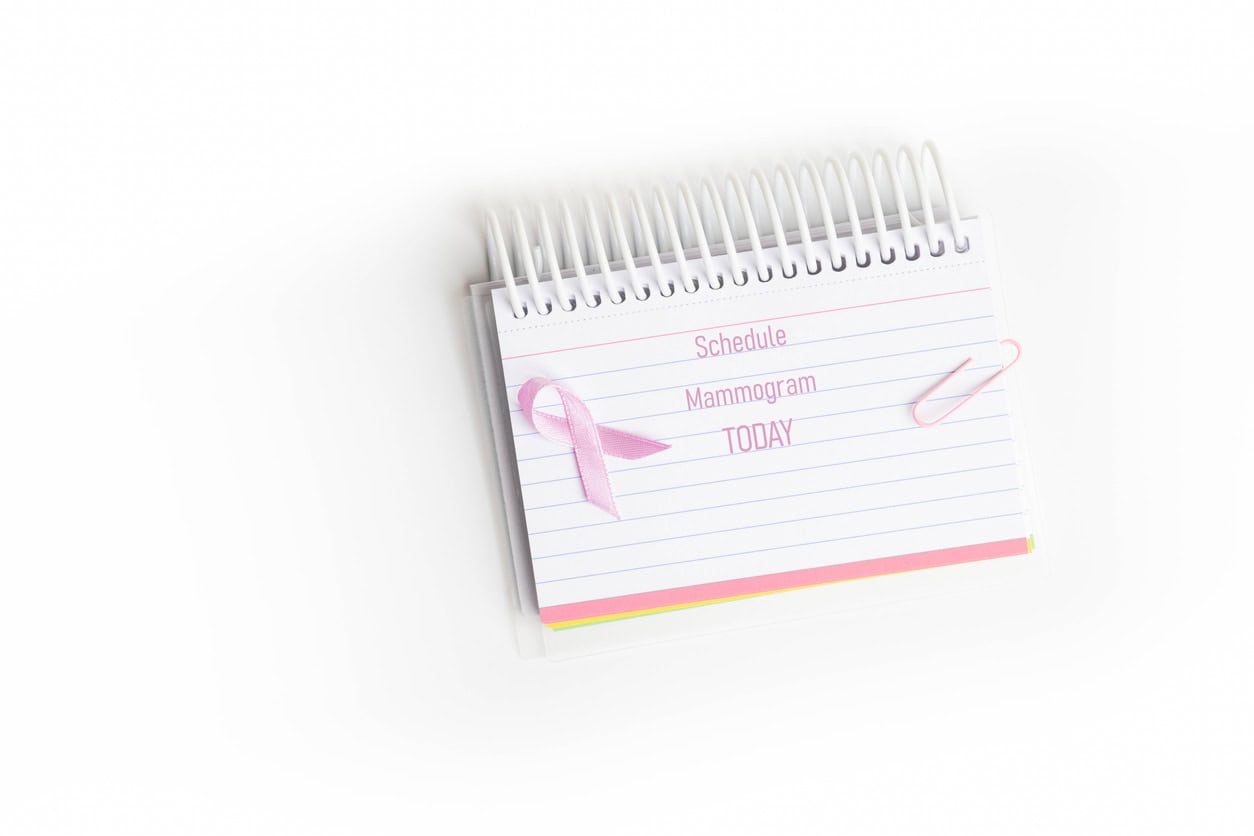
It’s easy to put off an appointment when life gets busy. But your health deserves a place on your calendar, too.
This Breast Cancer Awareness Month, take a moment to check when you had your last mammogram and talk with your healthcare provider about when your next one should be.
It’s easy to put off an appointment when life gets busy. But your health deserves a place on your calendar, too.
A few minutes could make an important difference.
This Breast Cancer Awareness Month, take a moment to check when you had your last mammogram and talk with your healthcare provider about when your next one should be.


