


Heart and Vascular
Want to learn more about this at Peterson Health?
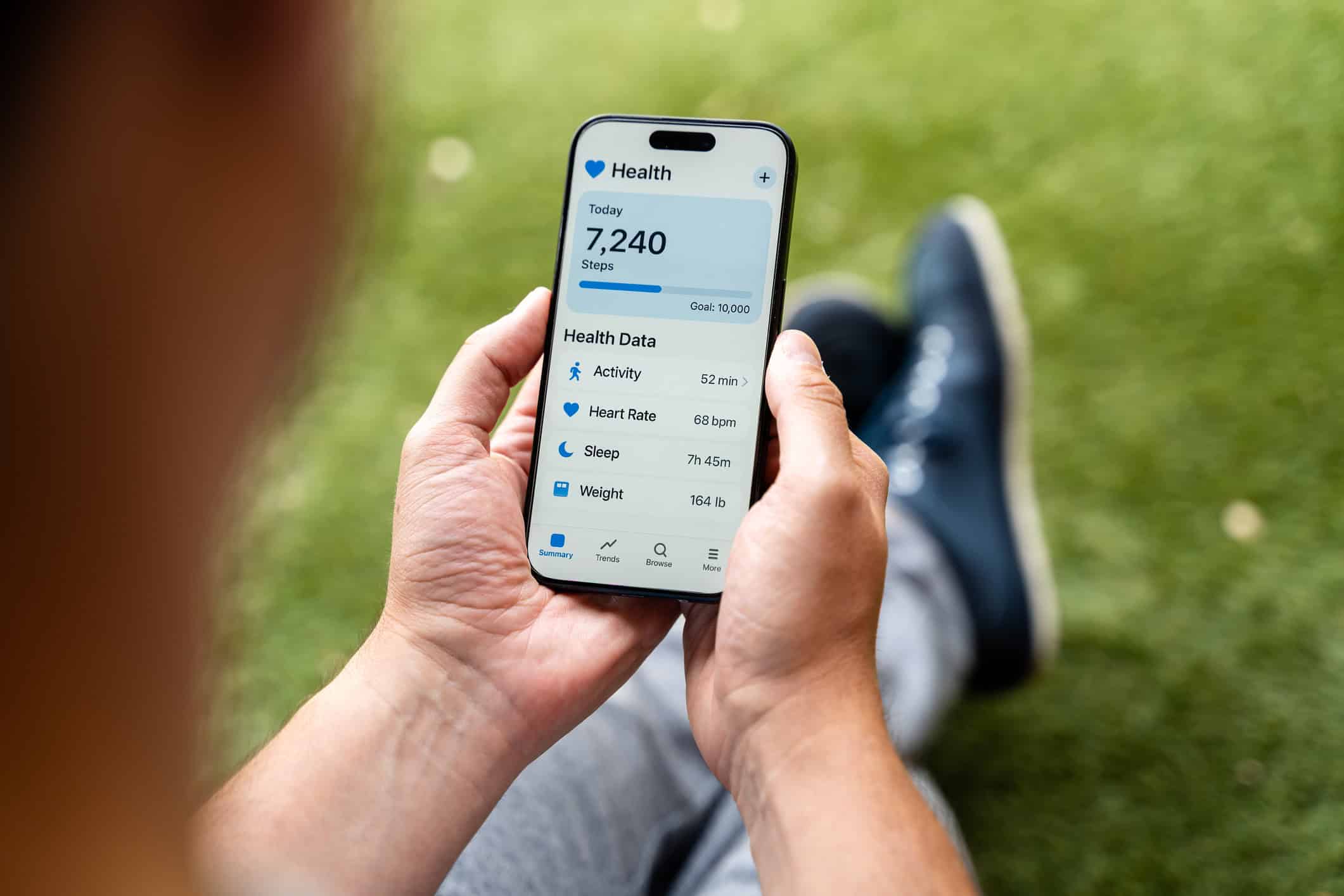
Small movements add up. Learn how tracking your steps and activity levels can help you stay motivated and build healthier everyday habits.
Walking is one of the simplest ways to incorporate more movement into your day. Whether you take a walk during your lunch break, use a walking pad at work, or enjoy an evening stroll, every step is an opportunity to make movement part of your routine.
With fitness trackers and smartwatches becoming increasingly popular, tracking activity is easier than ever. But counting steps is the only way to understand your daily movement.
Why Step Counts Matter
Step counts offer a simple way to monitor how much you move throughout the day. Many people use a daily step goal to stay accountable, recognize patterns in their activity, and find opportunities to move more.
Although 10,000 steps is a common goal, it is not a universal requirement. Your activity level can vary depending on your schedule, lifestyle, and individual goals.
Instead of focusing solely on reaching a specific number, consider how you can incorporate more movement into your existing routine.
Try these simple ways to get started:
Take a short walk during your lunch break.
Park a little farther away from your destination when practical.
Set reminders to stand up and move throughout the workday.
Take the stairs when appropriate.
Invite a friend or family member to join you for an evening walk.
Looking Beyond Steps
Today’s fitness trackers can measure more than steps. Depending on the device, you may also be able to monitor heart rate, active minutes, distance, and other activity-related measurements.
These additional metrics offer different perspectives on movement. For example, two walks may produce a similar step count but involve different paces, terrain, or levels of effort.
A 2025 article from Harvard Health Publishing discussed research exploring whether combining daily step counts with average heart rate could provide additional insights beyond counting steps alone. The research examined a measurement called daily heart rate per step, using data collected from wearable devices.
The findings are an example of how researchers continue to explore new ways to understand physical activity. However, this measurement is still being studied and should not be treated as a standalone assessment of personal health.
Making Fitness Tracking Work for You
You do not need an expensive smartwatch or a complicated tracking system to build a more active routine. A phone step counter, a basic activity tracker, or simply setting aside time for a daily walk can help you become more aware of your habits.
If you already use a wearable device, consider looking at your activity patterns over time rather than focusing on a single day’s results.
Make Movement Part of Your Day
Building an active lifestyle does not have to involve major changes at all times. Small, manageable habits can make it easier to incorporate movement into your everyday schedule.
Whether you prefer tracking every step or simply making time to get outside, find an approach that works for you and focus on staying consistent.
At Peterson Health, we believe that supporting your well-being starts with making informed choices and finding practical ways to care for yourself every day.
Taking care of your heart starts with everyday habits. Learn more about heart health and services available close to home at Peterson Health. https://www.petersonhealth.com/services/heart-and-vascular/


