

National Diabetes Month: Know Your Risk and Take Steps Toward Better Health

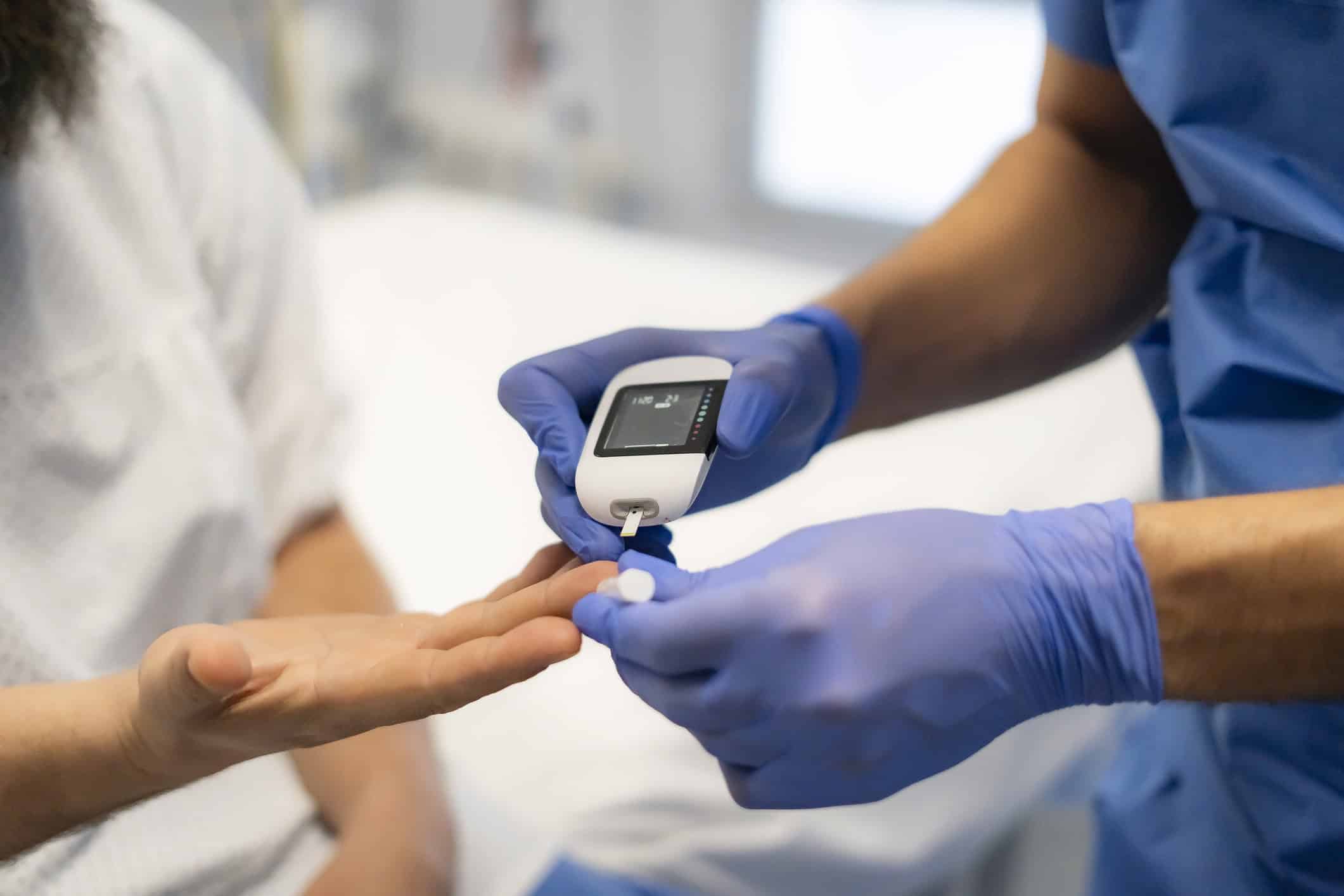
November is National Diabetes Month, an opportunity to learn about diabetes, understand your risk and take steps toward better health. Diabetes affects how the body regulates blood sugar, which provides energy to the body’s cells. When blood sugar remains too high, it can lead to complications affecting the heart, kidneys, eyes and nerves. The good news is that early detection, appropriate care and healthy lifestyle habits can make a difference. This November, Diabetes Month: endocrinology is particularly important as we focus on ways to improve outcomes and awareness.
Understand Your Risk
Type 2 diabetes can develop gradually, and some people may not notice symptoms. Risk factors include having a family history of diabetes, being physically inactive, having prediabetes or having a history of gestational diabetes. During Diabetes Month: endocrinology specialists often recommend being aware of these specific risk factors so you can take action early.
Common symptoms of diabetes can include:
Increased thirst or frequent urination
Feeling unusually tired
Blurred vision
Unexplained weight loss
Cuts or sores that heal slowly
If you notice these symptoms, talk with your health care provider. A blood sugar test can help determine whether further evaluation is needed. Furthermore, Diabetes Month: endocrinology is a good time to schedule a checkup if you have any concerns.
Small Steps Can Make a Difference
Healthy habits can help reduce the risk of type 2 diabetes and support overall wellness. Endocrinology plays a big role in Diabetes Month as advances in research and treatment offer hope for better management.
Stay active: Find ways to move throughout the day and work toward regular physical activity. Choose balanced meals: Include a variety of vegetables, fruits, whole grains and lean proteins. Know your numbers: Ask your provider whether blood sugar screening is appropriate for you. Keep up with appointments: Regular visits can help identify risk factors and address health concerns early.
If you have prediabetes, ask your provider about steps you can take to help prevent or delay type 2 diabetes.https://www.petersonhealth.com/services/endocrinology/
Share


