

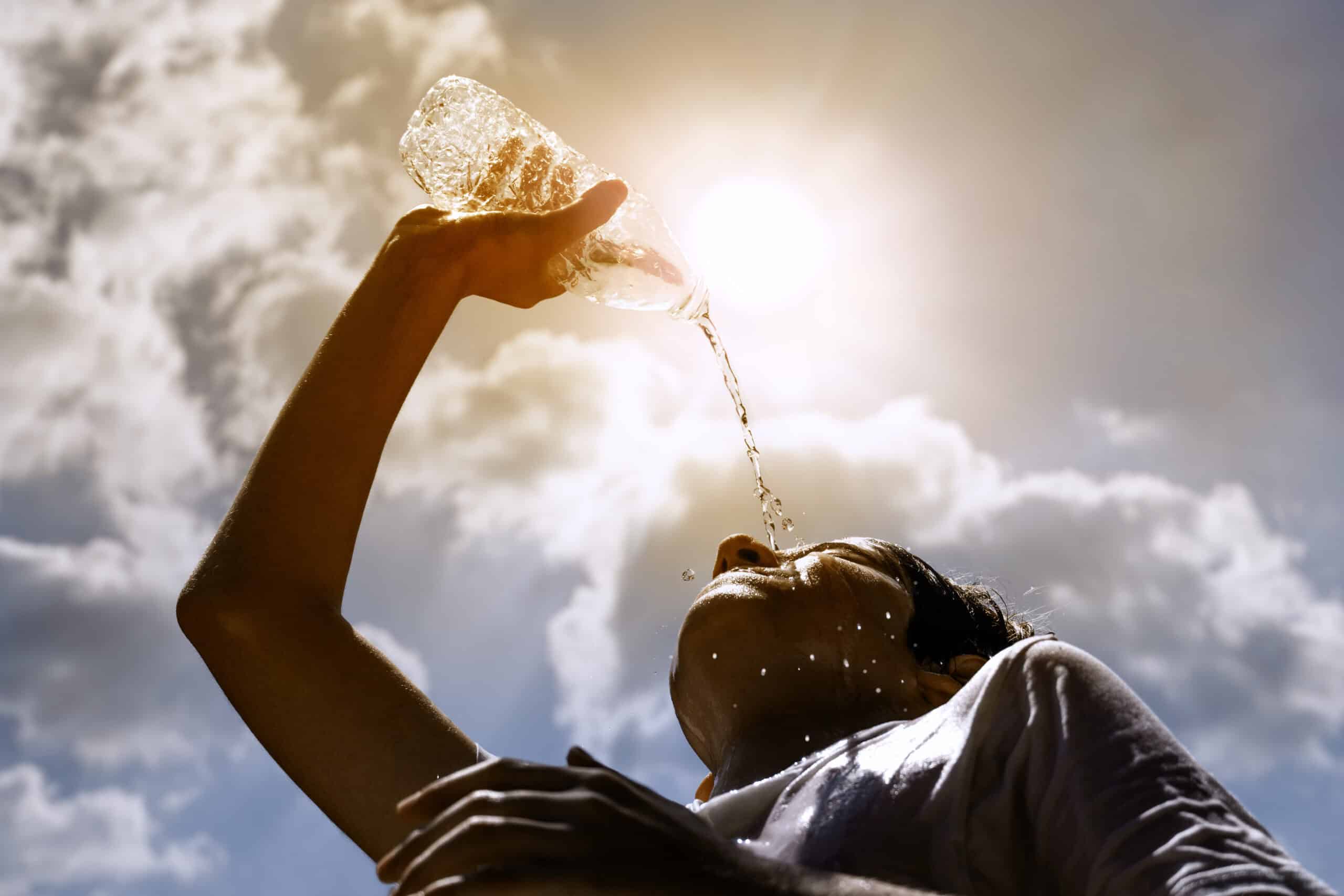
Approximately three out of every four Americans are not drinking enough water. Dehydration is especially common among older adults because thirst levels naturally drop with age.
The Science Behind Hydration and Energy
Water makes up approximately 60% of the human body and is very important for countless physiological processes, including cellular energy production. Cells rely on water to transport nutrients, remove waste, and maintain their structure. When adequately hydrated, the body operates at its best, resulting in optimal energy levels.
A study published in 2013 by NIH shows that even mild dehydration (a 1-2% loss in body weight from fluids) can impair energy levels, cognitive function, and mood. This connection between hydration and energy underscores the importance of consistent water intake.
Early Signs of Dehydration to Watch For
We may not always feel thirsty, making dehydration harder to recognize. Common early signs include:
- Dry mouth or lips
- Headache
- Fatigue or weakness
- Dizziness or lightheadedness
- Dark yellow urine
- Muscle cramps
- Confusion or irritability
- Increased risk of falls
If symptoms worsen or include fainting, chest pain, severe confusion, or difficulty breathing, seek medical attention immediately.
Why Hydration is Important
Drinking enough water daily may also improve bodily functions, including:
- Brain function, increasing cognition and decreasing anxiety
- Circulation, keeping your heart from having to overwork and improving overall heart health
- Detoxification, helping remove the body’s waste through urine and sweat
- Digestion, making bowel movements easier and more regular
- Metabolism: helping you maintain a healthy weight
- Temperature regulation: avoiding your body’s natural inclination to store heat when dehydrated
Strategies to Support Hydration Habits
- Keeping water bottles visible and within reach
- Track It – Using reminder alarms, phone alerts, or hydration charts
- Pairing drinking water with daily activities (meals, medications, TV programs)
- Recommending adaptive cups or lightweight bottles for easier handling
- Planning outdoor tasks during cooler morning or evening hours
- Encouraging rest breaks and energy conservation techniques
- Eat it – hydrating foods such as watermelon, cucumbers, and oranges
- Flavor it – Add fruit to your water. Lemons, limes and oranges are tried and true.
- Challenge a Friend – Kick off a healthy competition with a friend or your kids to see who can meet their guzzling goal most often.
Heat Safety Tips for Older Adults
- Drink water consistently throughout the day
- Avoid excessive outdoor activity during peak afternoon heat
- Wear lightweight, breathable clothing
- Stay in air-conditioned environments when possible
- Use fans and cooling towels as needed
- Check in regularly with family, neighbors, or caregivers
Myths and Facts About Hydration and Energy
Myth 1: You only need to drink water when you feel thirsty.
Fact: Thirst is a late indicator of dehydration. Regular water intake is crucial to maintain energy levels throughout the day.
Myth 2: Any water source is good for hydration.
Fact: Impurities in water can counteract its benefits. Systems like Multi-Stage Filtration Systems ensure water is free from contaminants, optimizing hydration.
Myth 3: Caffeinated drinks hydrate as well as water.
Fact: While coffee or tea may contribute to hydration, their diuretic properties can lead to fluid loss if consumed in excess.
Sources
“Hydration & Energy: How Water Keeps You Energized.” Theperfectwater.com, 2025. Accessed 27 May 2026.
Reiland, Liana. “Tips for Drinking More Water.” Mayo Clinic Health System, 12 July 2021. Accessed 26 May 2026.
Riebl, Shaun K, and Brenda M Davy. “The Hydration Equation: Update on Water Balance and Cognitive Performance.” ACSM’s Health & Fitness Journal, vol. 17, no. 6, 2013, pp. 21–28. Accessed 26 May 2026.


