


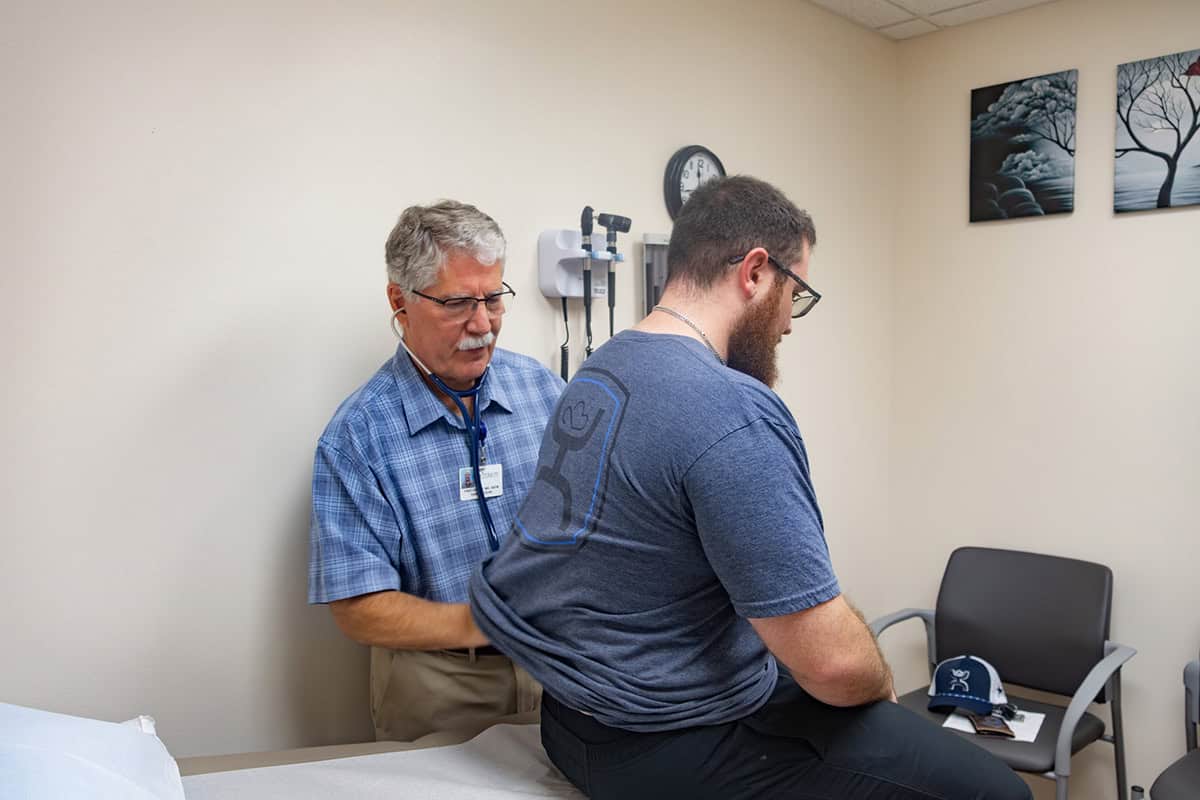
Men’s health is often overlooked until symptoms become harder to ignore. Between work, family responsibilities, stress, and busy schedules, many men delay routine healthcare visits and preventive screenings. But prioritizing men’s health early can help prevent more serious health concerns later.
Common Men’s Health Symptoms Men Should Not Ignore
Many common men’s health symptoms can seem minor at first. Fatigue, chest pain, high blood pressure, headaches, low energy, poor sleep, weight changes, and ongoing stress are all signs that should not be ignored.
Preventive healthcare and routine screenings play an important role in long-term men’s health. Regular lab work, imaging services, annual wellness exams, and preventive screenings can help identify health concerns before they become more serious.
Men’s health also includes mental health. Stress, anxiety, burnout, and depression can affect physical health, relationships, sleep, and overall quality of life. Talking openly about mental health is an important part of preventive men’s healthcare.
Why Preventive Men’s Health Matters
Preventive men’s health care is about more than treating illness. It is about protecting long-term health through routine healthcare visits, healthy habits, screenings, and early detection.
At Peterson Health, men’s health services support patients through preventive care, diagnostic imaging, laboratory services, and healthcare close to home. Early detection and preventive healthcare can help improve outcomes and support healthier futures.
Small steps can make a big difference in men’s health. Scheduling preventive screenings, paying attention to symptoms, staying active, improving sleep, and prioritizing healthcare are all important parts of long-term wellness.
Taking care of your health today can make a difference for tomorrow.
Looking for preventive screenings or routine lab testing?
Learn more about Peterson Health Laboratory Outreach Services.


